In the vast, ever-expanding landscape of online commerce, simply existing is no longer enough. Businesses today must actively seek out and engage their audience where they spend their time—online. This is the heart of why modern marketing has shifted its focus to paid online campaigns. Running an effective campaign, however, involves much more than just hitting a "boost post" button or allocating a random budget. It requires a dedicated, strategic approach known as digital ad management.
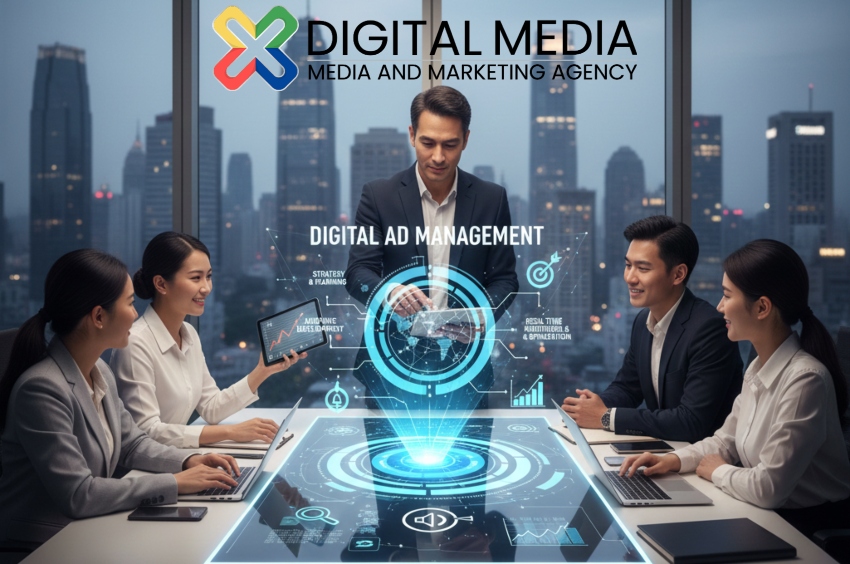
What exactly is digital ad management? Simply put, it is the comprehensive process of planning, executing, optimizing, and reporting on paid advertising campaigns across various digital channels. This includes platforms like Google Search, YouTube, Facebook, Instagram, and TikTok. With the global digital advertising market valued at hundreds of billions of dollars, businesses must approach this domain with precision to maximize their return on investment (ROI).
Effective management ensures that your marketing dollars aren't just spent, but strategically invested. It's about crafting tailored messaging that captures attention, drives qualified clicks, and, most importantly, converts online viewers into loyal, paying customers. Without a robust management strategy, ad spending can quickly become a drain on resources rather than a profitable growth engine. It is the crucial step that transforms sporadic ad placements into a cohesive, conversion-focused strategy designed to achieve specific business outcomes, be it greater brand awareness, targeted lead generation, or direct sales.
Navigating the Digital Ad Ecosystem
The modern consumer journey is fragmented across dozens of digital touchpoints, meaning your ad strategy must be just as diverse. A specialized management service covers all the key battlegrounds, ensuring your brand is visible exactly when and where a potential customer is looking.
One of the largest components of the digital ad ecosystem is Google Ads. This platform encompasses a range of ad types designed to capture users based on intent:
-
Search Ads: Text-based ads that appear directly on Google Search results when users look up specific keywords, capturing high-intent traffic.
-
Display Ads: Visual banner ads (images, videos, or animations) that run across millions of websites and apps in the Google Display Network, primarily used for building awareness and retargeting non-converting users.
-
Shopping Ads: Ideal for e-commerce, these ads showcase products directly on Google with images, prices, and store names, facilitating direct comparison and purchase.
-
Video Ads: Hosted primarily on YouTube, these allow for deep connection through engaging video content.
Beyond Google, social media giants offer unparalleled targeting capabilities. Meta Ads (Facebook and Instagram) allow businesses to target billions of monthly active users based on detailed demographics, interests, and behaviors, offering campaign objectives such as:
-
Reach & Awareness: Maximizing visibility within a local area or specific region.
-
Traffic & Engagement: Driving users directly to a website while encouraging social interactions.
-
Lead Generation: Capturing user information directly on the platform without them ever having to leave the app.
-
Conversions & Sales: Driving specific high-value actions like purchases or sign-ups.
Finally, TikTok Ads cater to a younger, highly engaged audience, offering innovative ways to drive traffic and increase sales through short, dynamic video content. Navigating this complex, multi-platform environment requires deep knowledge, which is precisely why strategic partners like x digital media are essential for maximizing performance and ensuring campaigns align with current platform trends and best practices.
The Data-Driven Approach to Success
Simply running ads across multiple platforms is insufficient; true success lies in the strategic elements applied to those campaigns. The foundation of professional x digital media ad management is a commitment to data-driven strategies that deliver powerful, measurable results rather than just superficial clicks.
This process revolves around four key pillars:
1. High Content Relevance: Ads that directly address the audience’s needs and search intent are far more likely to convert. Agencies meticulously ensure that ad copy and creative assets are highly relevant to the targeted keywords and demographic profiles, which not only increases engagement but also lowers the cost-per-click (CPC) by improving the ad’s quality score.
2. Proven Strategy Elements: The most successful campaigns rely on combining sophisticated techniques. This includes rigorous keyword targeting research, precise audience segmentation, and deep data analysis to build a framework that consistently drives high-quality traffic and leads. These strategies are refined over time, leveraging historical performance to predict and enhance future outcomes.
3. Conversion-Focused Campaigns: Traffic is only the beginning. The core value of professional ad management is converting that traffic into tangible results. This requires optimizing landing pages, integrating clear and persuasive Calls-to-Action (CTAs), and structuring campaigns specifically around measurable conversion goals, such as form submissions, product purchases, or appointment bookings.
4. Adapting to Trends: The digital landscape is notoriously volatile, with platform algorithms and user behaviors shifting constantly. A dedicated team constantly monitors these changes, keeping campaigns fresh, competitive, and relevant. This proactive adaptation ensures your brand maintains market relevance and continually capitalizes on new ad formats and targeting opportunities. By focusing on these strategic elements, a professional service ensures every dollar spent is directed toward achieving the highest possible return.
Conclusion
Digital advertising is not a set-it-and-forget-it task; it is an ongoing, dynamic process that demands expertise and attention. For businesses seeking to grow their visibility, generate reliable leads, and scale their sales, investing in dedicated digital ad management is crucial. It is the key to unlocking the full potential of paid media, ensuring your brand achieves sustainable, revenue-driving growth in a crowded online world.
Frequently Asked Questions (FAQs)
Q1: What is a digital ads agency and why should my business hire one? A digital ads agency is a specialized company that creates, manages, and executes online advertisement campaigns across platforms like Google, Meta, and TikTok. You should hire one to gain access to industry experts in areas like PPC, SEM, and social media advertising, ensuring better results, improved conversion rates, and optimized ROI than you could achieve running ads internally without full-time focus.
Q2: How can I track the progress and success of my digital ad campaigns? Marketers track ad progress using key performance indicators (KPIs). The most common metrics include Conversion Rate (the percentage of users who take a desired action), Click-Through Rate (CTR), Customer Acquisition Cost (CAC), Return on Ad Spend (ROAS), and website metrics like Bounce Rate and Average Session Duration. A professional manager uses these KPIs to provide transparent reporting and continually optimize performance.
Q3: Why are digital ads generally considered more effective than traditional television ads? Digital ads are more effective primarily because they are highly target-specific. Unlike broad television placements, digital campaigns ensure that every ad impression reaches a narrowly defined audience segment likely to be interested in the product or service. Furthermore, digital ads are measurable, interactive, and often more cost-effective, allowing businesses to maximize their ROI.